For most Clearwater homes, plan a soft wash every 12–24 months; in our humid Gulf climate with roughly 50 inches of rain a year and frequent summer storms, annual service is often the sweet spot for shaded or coastal-facing walls. Homes with sunnier exposures or excellent airflow can stretch closer to 18–24 months, while deeply shaded siding or properties near the beach may need shorter intervals to stay clean and protect finishes.
Key Takeaways
- Typical Clearwater schedule: every 12–24 months; once a year for shade, heavy pollen, or salt spray.
- Soft washing uses low pressure plus detergents to clean safely without damaging paint or stucco.
- Climate, shade, trees, irrigation, and siding type set your exact interval.
- Between visits, trim vegetation, clear gutters, and redirect sprinklers to slow regrowth.
How often should you soft wash a house? For most homes, about every 12–24 months keeps siding clean without risking damage. Shaded, damp walls grow algae and mildew faster, and that growth can slowly break down paint. In high-humidity or coastal zones like Clearwater, annual service is often best; in drier pockets or sunnier exposures, some homes can go 2–3 years between cleanings.
If you’re weighing options in Clearwater, this guide explains soft washing in plain language and helps pick a schedule that fits your home. When you’re ready, Clearwater Power Washing is here to help with friendly, professional advice.
1. Soft washing 101: what it is and how often to do it
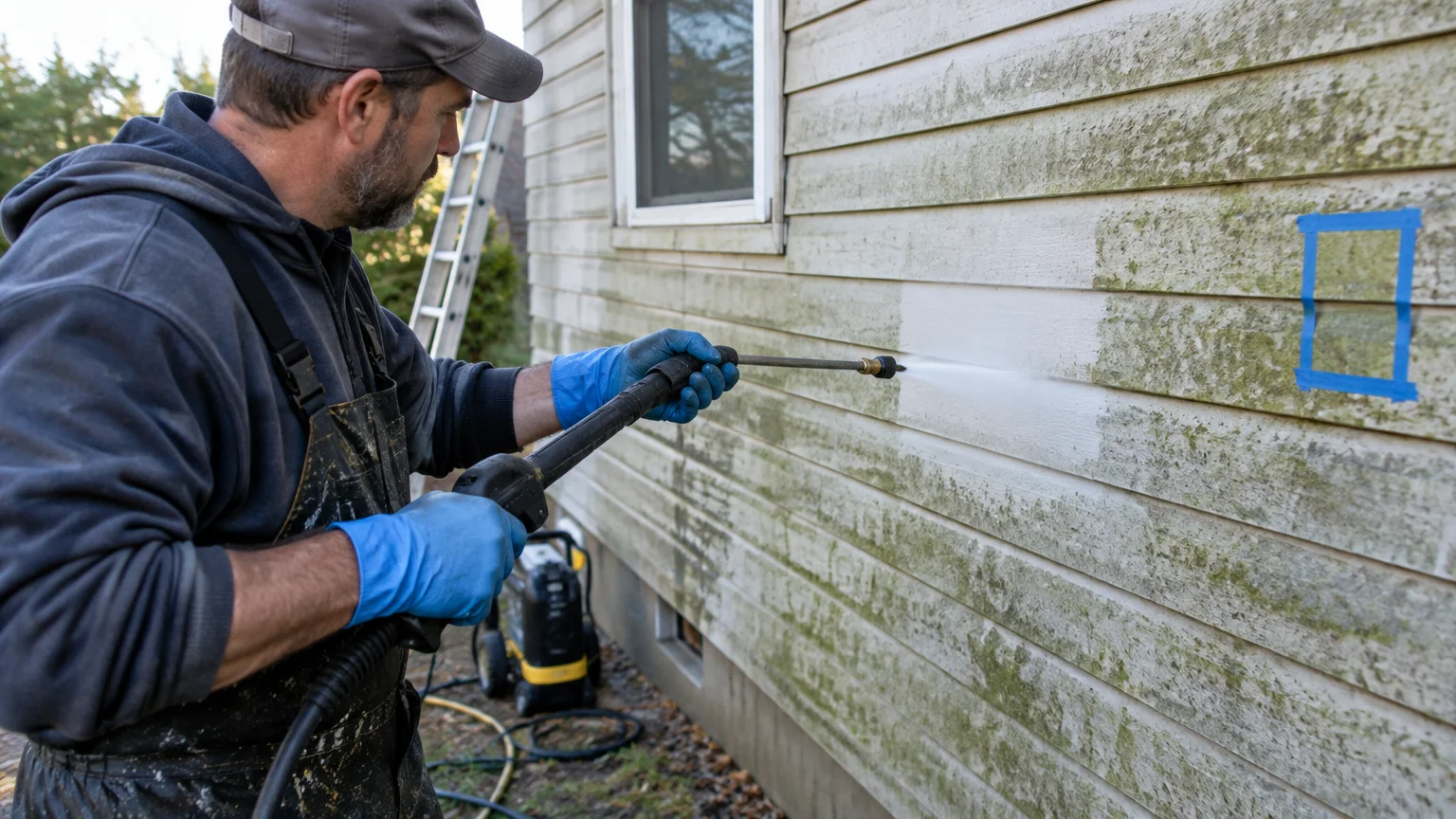
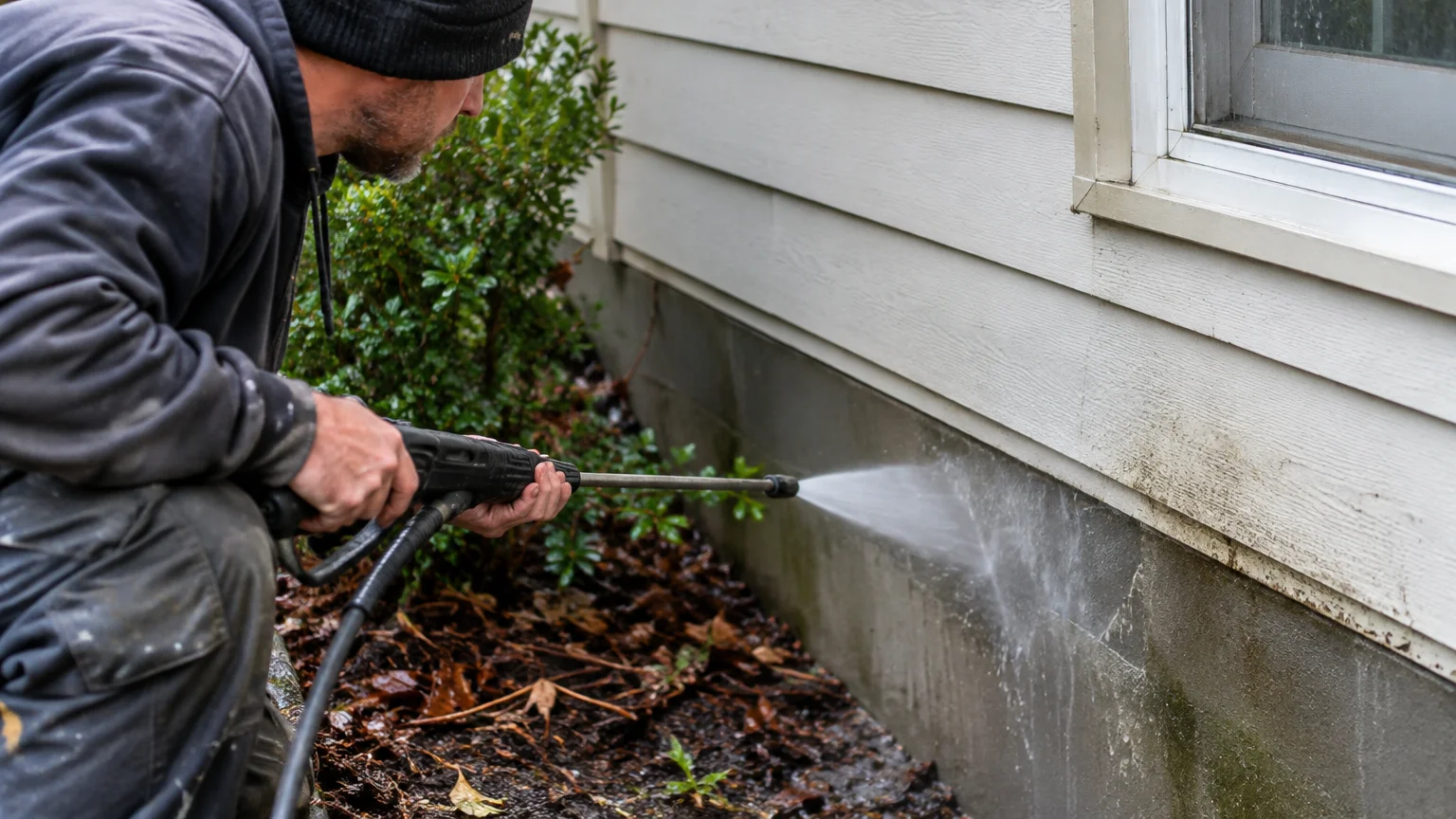
Soft washing is a low-pressure exterior cleaning method that uses specialized detergents to loosen dirt, algae, and mildew before a gentle rinse. Unlike traditional pressure washing (which blasts water at high pressure), soft washing protects paint, caulk, stucco finishes, and delicate trims while still delivering a thorough clean.
A practical rule of thumb: plan a soft wash every 12–24 months, then adjust based on your climate, shade, and siding material. Done on the right schedule, it helps siding last longer, keeps brick and mortar looking uniform, and preserves stucco texture without etching. If you want more detail on the method, see our soft washing and house washing service pages (/soft-washing, /house-washing).
2. Factors that determine your ideal soft-wash schedule
Climate and seasons play a big role. Clearwater’s humid subtropical weather, summer thunderstorms, and Gulf salt spray speed up organic growth and can leave a thin film on surfaces. With around 50 inches of annual rainfall and sustained humidity, shaded walls and north-facing elevations often need yearly attention.
Sun, shade, and airflow around the home matter too. North-facing walls, dense trees, and tight fence lines trap moisture, encouraging organic growth. Breezy, sunny exposures dry faster and usually stay cleaner.
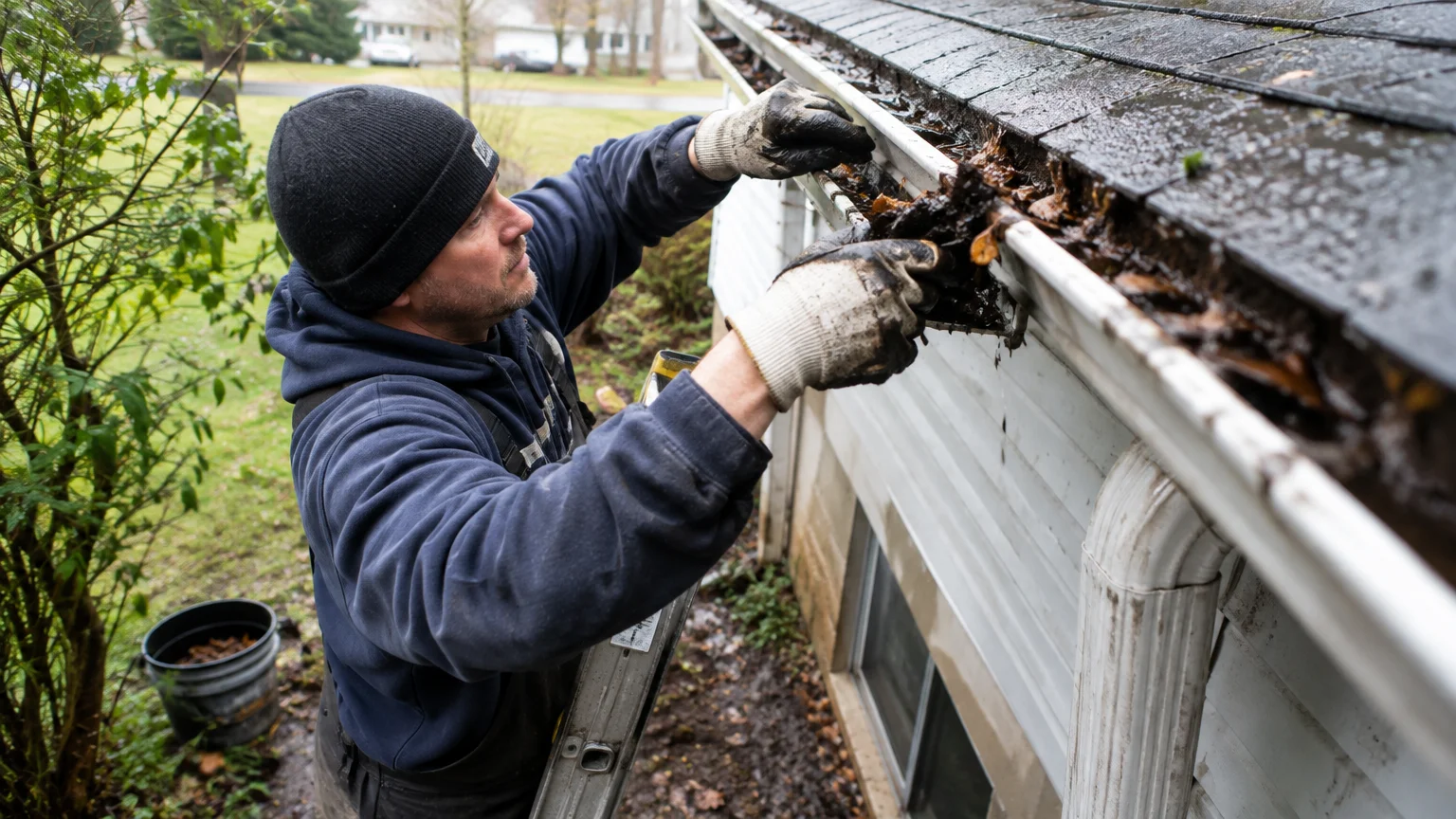
Nearby trees, pollen, and debris add to the problem. Spring oak pollen, palm litter, and leaf debris can feed algae, especially on drip lines below gutters and eaves. Frequent gutter cleaning and trimming branches can help extend time between washes.
Exterior materials respond differently. Vinyl and fiber cement tolerate routine soft washing well. Textured stucco and painted wood need careful detergent selection and lower pressure. Brick and mortar joints clean up nicely with gentle chemistry that won’t pit surfaces.
Previous coatings and warranties can guide timing. Some paint and siding warranties recommend periodic gentle cleaning to maintain coverage. Check manufacturer care instructions before scheduling.
Household habits and local rules also count. Irrigation overspray keeps walls damp and speeds growth. Homeowners associations or local water-use guidelines may specify acceptable methods and times for exterior cleaning.
If you’re comparing pressure washing costs versus soft washing, remember costs vary by home size, access, and soil level; a quick conversation can clarify the right approach for your exterior.
3. Signs it’s time: a homeowner’s visual checklist
- Algae, mildew, or black streaks appearing on shaded walls or under soffits
- Dull color, chalky film, or patchy appearance that won’t rinse off with a garden hose
- Musty odors near siding and fast-returning spider webs on eaves
- Slippery steps, walkways, or decks around the home after rain
- Before listing your home or following major storms that leave residue
4. Plan your cleaning calendar safely
The best windows are mild, dry days in spring or fall across much of the US. In Clearwater, late fall through early spring typically offers comfortable temperatures, lighter winds, and fewer thunderstorms. Avoid hard freezes and windy afternoons. In hot summers, early morning allows detergents to dwell without drying too fast.
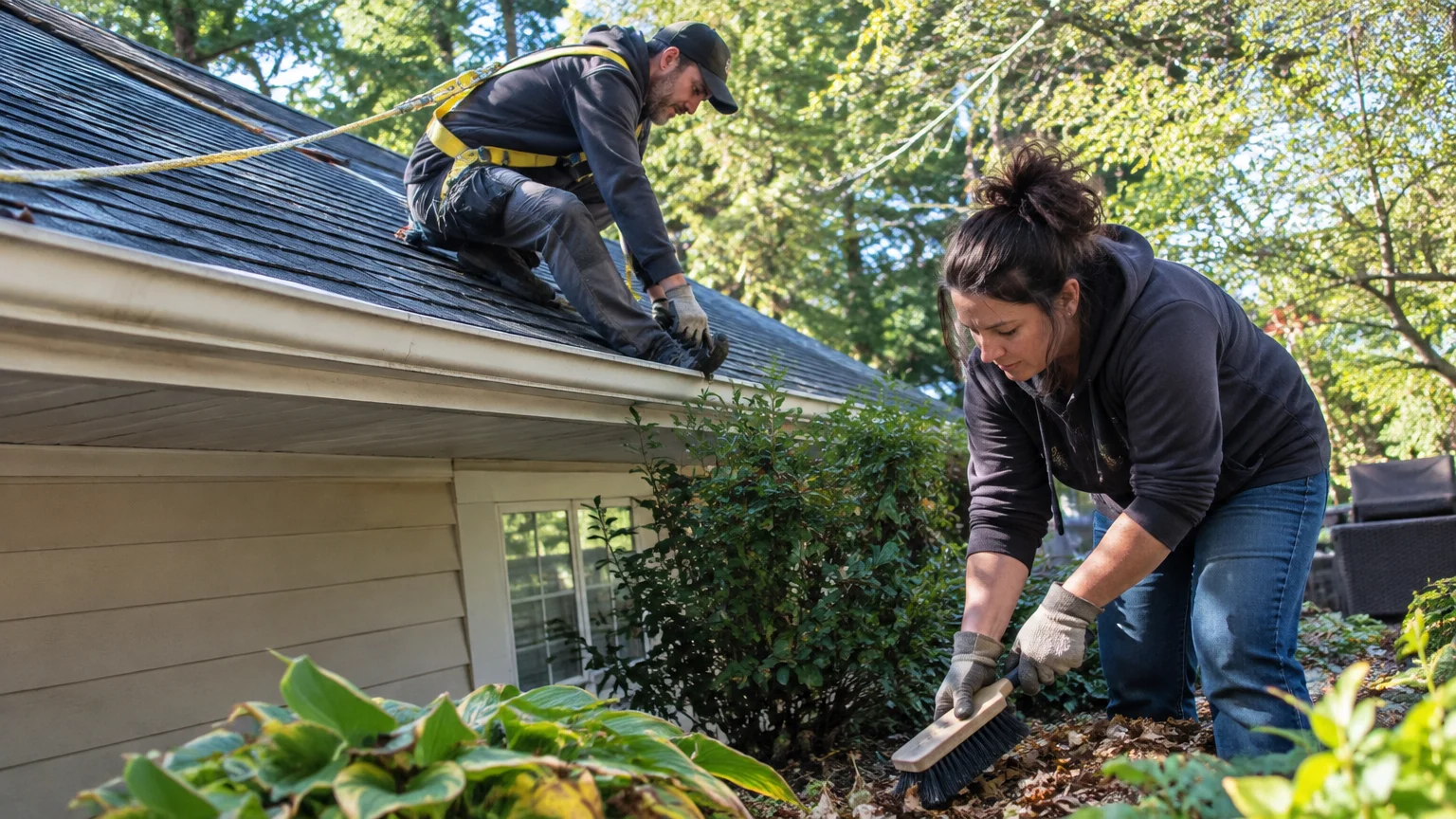
To slow regrowth between washes, address moisture. Redirect sprinklers, prune back dense shrubs, clear gutters, and consider protective coatings approved for your siding. A quick garden-hose rinse after heavy pollen drops can also help.
DIY vs. hiring a pro depends on safety and equipment. Pros use low-pressure pumps, siding-safe detergents, and extension tools to reach upper stories without forcing water behind laps or into vents. Improper high pressure can scar surfaces and force leaks, so when in doubt, bring in a trained technician. Learn more about our approach on /about-us and see commercial options at /commercial-pressure-washing.
Protect landscaping and manage runoff with preparation. Pre-wet plants, use plant-safe detergents, and rinse thoroughly afterward. Cover delicate blooms, divert downspouts away from garden beds, and avoid letting wash water pool near foundations.
Frequently Asked Questions
Is soft washing safe for all siding types?
It’s safe for most common exteriors—vinyl, fiber cement, painted wood, brick, and stucco—when done with the correct low pressure and detergents. Pros adjust chemistry and technique to match the material, preventing etching, raised grain, or loosened paint while removing organic growth.
Can weather change how often you should soft wash a house?
Yes. Rainy, humid periods speed up algae and mildew, shortening the interval. In dry, sunny stretches, results last longer. Plan cleaning ahead of peak pollen or after storm seasons to maximize dwell time, and avoid extremely hot or freezing days for best results and even drying.
What’s the difference between pressure washing and soft washing?
Pressure washing relies on high-pressure water to remove dirt; soft washing uses low pressure plus detergents to break down growth safely. For painted and delicate surfaces, soft washing reduces risk of damage while still delivering a deep clean that lasts longer between maintenance visits.
Key takeaways
- Most homes do well with soft washing every 12–24 months; humid or coastal properties in Clearwater often need annual service.
- Shade, trees, and irrigation overspray speed up algae and mildew.
- Match detergents and technique to the siding material to avoid damage.
- Simple upkeep—trimming, gutter cleaning, and rinsing—extends results.
Conclusion
Keeping a consistent schedule protects finishes and keeps curb appeal steady without harsh blasting. If you’re in Clearwater, Clearwater Power Washing can help you choose the right timing and method for your home. Serving Clearwater and nearby Gulf Coast neighborhoods.
Have questions about how often should you soft wash a house for your property or a multi-home portfolio? Contact us to talk through options and plan a safe, effective soft-wash calendar. You can also reach us via our contact page or explore services at /soft-washing and /house-washing.
Related Articles
- Driveway Washing Prep Checklist: What to Move, Treat, and Protect First (Clearwater Guide)
- Soft Washing Stucco: Safe, Low-Pressure Cleaning in Clearwater
- Soft Washing Cedar Siding in Clearwater: A Safer, Smarter Clean
- Efflorescence on Brick in Clearwater: Cleaning and Prevention Guide
- Soft Wash vs Pressure Wash: Clearwater Homeowner’s Guide