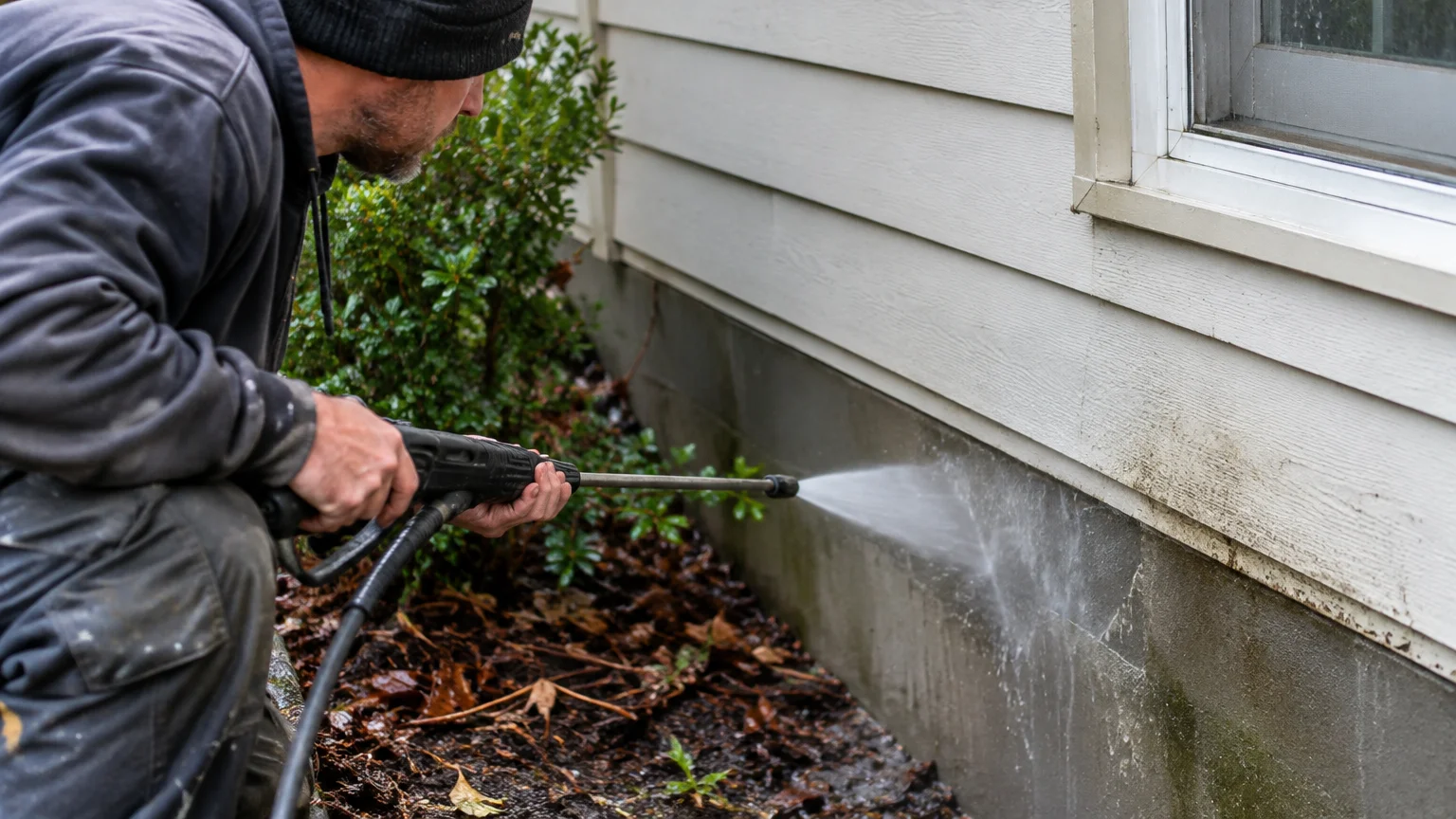
Concrete sealing helps protect a freshly cleaned driveway from stains, moisture, algae, weather, and daily wear. The right sealer fills or covers some concrete pores. This creates a protective layer without replacing sound concrete. Proper cleaning, drying, repairs, and sealer choice all affect the final result for Clearwater properties.
Table of Contents
- What Is Concrete Sealing and How Does It Work?
- Why Should You Seal Concrete After Driveway Cleaning?
- What Problems Can Concrete Sealing Help Prevent?
- How Should a Driveway Be Prepared Before Sealing?
- Which Type of Concrete Sealer Is Best for a Driveway?
- How Long Does Concrete Sealing Last?
- How Much Does Concrete Sealing Cost Compared With Cleaning?
- Key Takeaways
- Frequently Asked Questions
- Conclusion
What Is Concrete Sealing and How Does It Work?
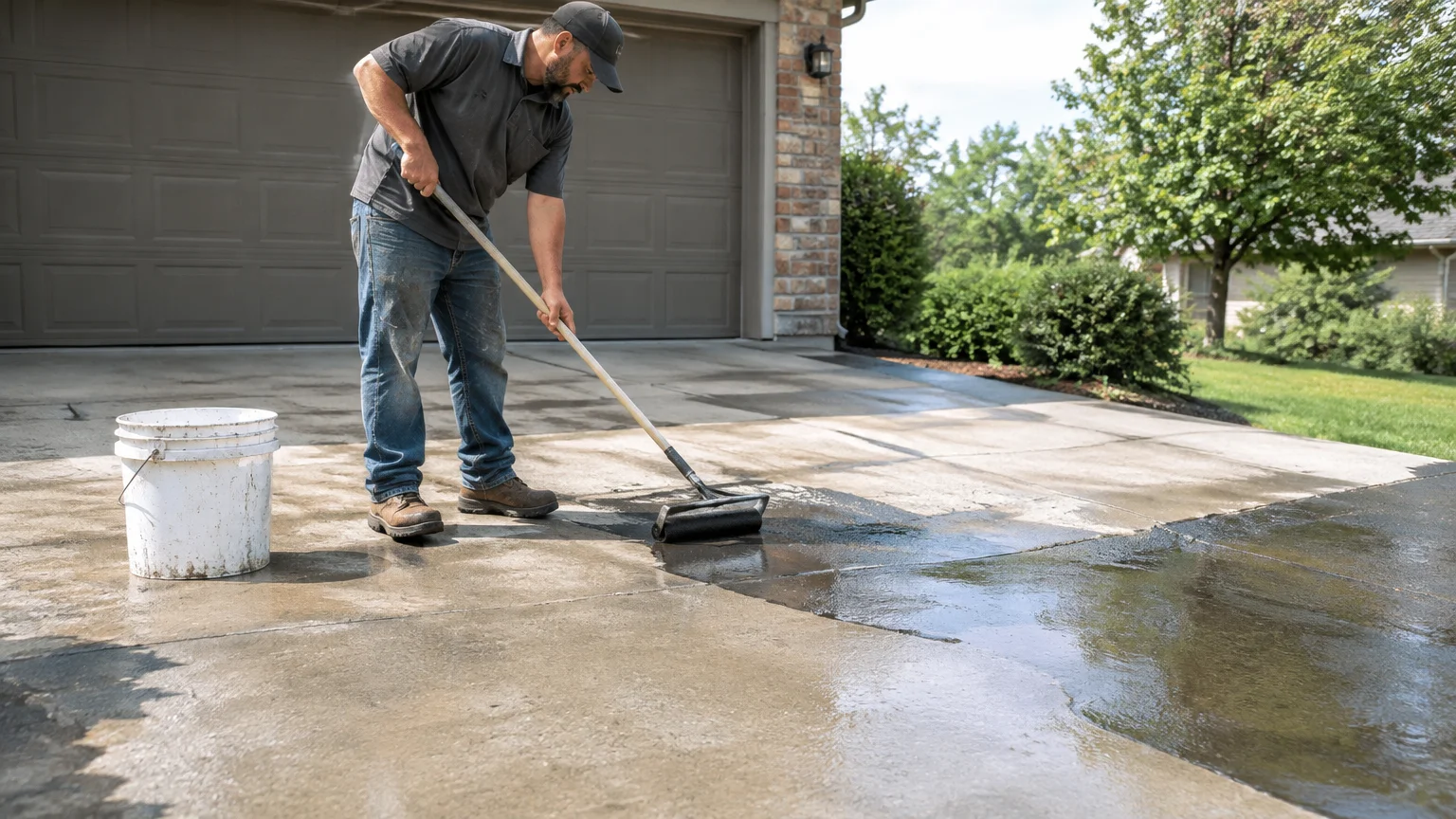
Concrete sealing is the process of applying a protective product to cured concrete. Concrete looks solid, but it has small pores and spaces. Water, oil, salt, dirt, and other materials can enter these spaces. A sealer helps limit that entry.
A sealer does not repair deep cracks or replace damaged concrete. It works best after the surface has been cleaned, checked, and allowed to dry. The product must also match the driveway surface and the weather around it.
How do concrete sealers protect porous surfaces?
Concrete sealers protect porous surfaces in two main ways. Some move into the upper part of the concrete and help reduce water entry. Others create a layer over the surface. Both types can make cleaning easier when used on suitable concrete.
A sealed driveway may resist new marks better than unsealed concrete. Still, sealing does not make the surface stain-proof. Spills should be cleaned soon, and leaves should not stay wet against the driveway for long.
What is the difference between penetrating and film-forming sealers?
Penetrating sealers soak into the concrete. They usually change the surface appearance very little. This choice can suit driveways where a natural look and water resistance matter most.
Film-forming sealers stay closer to the surface. They may add richer color, shine, or a stronger visual change. However, the surface must be prepared well. Trapped moisture, poor bonding, or heavy traffic can cause peeling or wear. Clearwater Power Washing can help Clearwater property owners compare the surface, exposure, and desired finish before work begins.
Why Should You Seal Concrete After Driveway Cleaning?
Sealing after driveway cleaning can help protect the clean surface from new buildup. Concrete pressure washing removes dirt, algae, tire marks, and some stains. Sealing then adds protection against future exposure.
Cleaning and sealing serve different purposes. Pressure washing removes material already on the surface. Sealing helps reduce how easily new material enters the concrete. Neither service can correct major movement, broken edges, or a failing base.
How does sealing help protect freshly cleaned concrete?
Freshly cleaned concrete has fewer surface contaminants. This gives the sealer a cleaner surface to bond with or enter. If dirt, oil, or loose residue remains, the product may look uneven or fail sooner.
A clean surface also makes color and texture easier to review. Homeowners may notice cracks, worn areas, or old repairs after the buildup is gone. Those issues should be considered before the sealer is applied.
Why does timing matter after pressure washing?
Concrete needs enough time to dry before sealing. Water held inside the pores can affect some products. The wait depends on weather, shade, humidity, surface condition, and product directions.
The surface should also be free from runoff, dust, leaves, and new spills. A rushed application can trap moisture or create cloudy areas. Careful planning matters more than applying sealer as soon as cleaning ends. This applies to driveways, sidewalks, patios, and other concrete floors.
What Problems Can Concrete Sealing Help Prevent?
Concrete sealing can help reduce several common driveway problems. It may slow the entry of water and make some stains easier to remove. It can also help the surface handle regular weather and vehicle use.
The protection has limits. A sealer cannot stop every mark, prevent all cracks, or undo damage that already exists. Good drainage, regular cleaning, and quick spill removal still matter.
Can sealing protect against oil stains, algae, and moisture?
Sealing can make oil and other liquids less likely to soak deep into concrete. This may give the owner more time to clean a spill. It does not remove an old oil mark by itself. Oil stain removal driveway work may need a separate cleaning step first.
Moisture control can also help limit conditions that support algae or mildew. Shaded, damp areas may still grow organic buildup. These areas need better drainage, airflow, and routine care. A sealed pool deck, patio, or walkway may still need regular cleaning.
Does sealing reduce wear from weather and vehicle traffic?
Sealing can help reduce surface wear from rain, heat, freeze-thaw changes, and vehicle traffic. The result depends on the concrete condition and the product used. Heavy turning, parked vehicles, and grit can still wear the finish.
Owners should avoid harsh cleaning methods that damage the surface. Pressure washing concrete with too much pressure can leave lines, expose aggregate, or weaken the top layer. The right cleaner to use when pressure washing concrete depends on the stain and surface condition.
How Should a Driveway Be Prepared Before Sealing?
A driveway should be clean, sound, and dry before sealing. Preparation often has more effect on the result than the product label. A rushed job can trap stains, moisture, or loose material under the coating.
Homeowners can safely handle simple preparation, such as moving items, sweeping loose dirt, and checking for new spills. They should not use strong chemicals without reading the label. They should also keep people and pets away from wet cleaners and treated areas.
What cleaning and surface checks come first?
The first step is to remove loose dirt and inspect the concrete. Next, the surface can be cleaned with a method suited to the soil and stain. Concrete cleaning services may help with oil, mildew, algae, tire marks, and heavy buildup.
After cleaning, the surface should be checked for cracks, spalling, loose edges, old coatings, and uneven repairs. Spalling means the top layer is flaking or breaking away. Sealing over unstable concrete usually gives poor results.
How dry should concrete be before sealing?
The driveway should meet the product instructions for dryness. A surface can feel dry while moisture remains deeper in the pores. Shade, cool weather, and recent rain can extend the drying period.
Repairs should also be completed before application. The repair material may need its own cure time. The owner should review the sealer label and weather conditions before starting. Professional preparation may help when stains are deep, the surface is large, or the old coating is failing.
Which Type of Concrete Sealer Is Best for a Driveway?
The best concrete sealer depends on the driveway surface, desired look, moisture exposure, and traffic. No single product fits every property. A natural-looking penetrating sealer may suit one driveway, while another may need a film-forming product.
Owners should read the product label and follow the maker’s application rules. They should check whether the sealer is made for exterior concrete and vehicle areas. A small test area can show changes in color, shine, and texture before full application.
How should a sealer be chosen based on finish and exposure?
A penetrating sealer is often considered when the owner wants little visual change. It may suit surfaces exposed to rain while keeping the concrete’s natural look. A film-forming sealer may be chosen when a visible finish or richer color is wanted.
Exposure also matters. A shaded driveway may stay damp longer. A sunny driveway may face strong heat and color changes. A sloped driveway may shed water well, while a low area may hold runoff. These details should guide product selection.
What affects durability and appearance?
Concrete age, surface porosity, cleaning quality, repairs, traffic, and weather all affect the result. Application thickness also matters. Too little product may provide limited coverage. Too much may leave a cloudy, slippery, or uneven finish.
A driveway should not be sealed during unsuitable weather. Rain, strong wind, extreme heat, or cold can affect drying and bonding. Clearwater Power Washing can help property owners review these conditions and choose a practical approach for the surface.
How Long Does Concrete Sealing Last?
Concrete sealing can last for different lengths of time because each driveway faces different conditions. Traffic, weather, moisture, product type, and preparation all affect service life. The label’s care instructions should guide follow-up work.
A driveway may need attention sooner when water gathers, tires turn in place, or salt and grit remain on the surface. A lightly used driveway with good drainage may keep its protective effect longer. Owners should judge the surface instead of relying only on a calendar.
What affects the service life of a sealed driveway?
The biggest factors include the concrete’s condition, the sealer used, and how well the surface was prepared. Poor cleaning can leave a weak bond. Applying sealer over damp concrete can also lead to cloudy areas or early failure.
Routine care helps. Sweep away grit, clean spills quickly, and use cleaners that are safe for sealed concrete. Avoid scraping with metal tools or using a harsh method without testing it first.
What signs show that concrete may need resealing?
Several signs may suggest that protection has worn down. Water may darken the surface quickly instead of beading or shedding. The finish may look dull, uneven, worn, or patchy. New stains may also appear more easily than before.
These signs do not always mean the driveway needs a new coat. The concrete may need cleaning, stain treatment, or repairs first. An inspection can help separate normal surface dirt from a failing sealer.
How Much Does Concrete Sealing Cost Compared With Cleaning?
Concrete sealing and concrete cleaning are different services, so their final costs depend on different work. Cleaning is shaped by surface size, soil, stain depth, access, and needed equipment. Sealing depends on concrete condition, product, preparation, coverage, and application needs. The final cost is confirmed on a quote.
Cleaning is often the first stage because sealer cannot hide loose dirt or oily residue for long. Sealing may require extra preparation when the driveway has old coatings, repairs, deep stains, or moisture issues. A small, clear surface is usually simpler to prepare than a large, damaged one.
What influences the cost of sealing a driveway?
The main factors include driveway size, surface condition, product type, number of coats, access, and preparation. Removing an old coating may require more work than sealing clean, sound concrete. Deep oil stains or repairs can also change the work involved.
Homeowners should ask what preparation is included and which product is planned. They should also ask how long the area must stay clear after application. A clear quote helps the owner compare the actual work rather than only the service name.
When may professional preparation and application be worthwhile?
A homeowner does not need a professional for every simple task. Sweeping, moving items, cleaning a small spill, and following a product label may be reasonable do-it-yourself work. Professional help may be worthwhile when the driveway is large, stained, cracked, slippery, or covered by an old coating.
Professionals can also help when pressure washing may damage the surface. They can adjust cleaning methods, inspect the concrete, and apply products more evenly. Clearwater Power Washing serves property owners across the main Clearwater area, from Downtown Clearwater and Countryside to Largo, Dunedin, Safety Harbor, Palm Harbor, and nearby communities. The team can help decide whether cleaning, sealing, repairs, or a combination makes sense.
Key Takeaways
- Concrete sealing protects cleaned concrete; it does not repair major damage.
- The surface must be clean, sound, and dry before application.
- Penetrating and film-forming sealers provide different looks and protection.
- Weather, traffic, moisture, and preparation affect how long sealing lasts.
- Homeowners can handle simple upkeep, while difficult preparation may need professional help.
Frequently Asked Questions
Is concrete sealing needed after every driveway cleaning?
No. Sealing is not needed after every cleaning. The choice depends on the concrete condition, past sealing, moisture exposure, traffic, and desired protection. A clean driveway may only need routine care. If water absorbs quickly, stains return easily, or the finish looks worn, sealing may be worth considering after proper preparation.
Can a homeowner seal a concrete driveway?
Yes, a homeowner can seal a small, sound driveway by following the product label carefully. The owner must clean the surface, allow enough drying time, protect nearby areas, and apply the right amount. Professional help may be safer when stains, repairs, old coatings, or moisture problems make preparation difficult.
Can sealing hide cracks or oil stains?
No. Sealing does not remove deep oil stains or repair active cracks. It may change how the surface looks, but existing problems can remain visible. Stains should be treated first, and cracks should be checked before application. Sealing over loose or damaged concrete can lead to uneven results.
Is pressure washing concrete safe before sealing?
Pressure washing concrete can be safe when the method matches the surface. Too much pressure, the wrong nozzle, or poor technique can leave marks and weaken the top layer. Cleaning should remove buildup without causing damage. The concrete must then dry fully before any sealer is applied.
Can sealed concrete still get dirty?
Yes. Sealing does not make concrete permanently clean or stain-proof. Dirt, leaves, algae, oil, and tire marks can still collect on the surface. Quick spill cleanup, regular sweeping, suitable cleaning products, and good drainage help keep sealed concrete in better condition.
Conclusion
Concrete sealing can be a useful step after driveway cleaning. It helps limit moisture and stain entry while making routine care easier. The best result comes from proper cleaning, stain treatment, inspection, drying, product selection, and careful application.
Clearwater Power Washing helps Clearwater property owners understand which approach fits their concrete. Contact us to discuss driveway cleaning and sealing for the property.